


Countries
Algeria
The largest country in Africa with an area of 2 381 741 km2,1 and a population of 45 606 480 inhabitants in 2023, Algeria is located in North Africa.2 As of 1 January 2024, the Algerian population was made up of 50.6% men, compared to 49.4% women.3 This population is mainly concentrated in large cities such as Algiers, the largest city and capital of the country, Constantine, Oran, Batna, which implies an ever-increasing demand for housing. In 2022, 75% of Algerians resided in urban areas,4 of which 13% lived in slums.5 In 2023, the overall unemployment rate was 11.8% of the total population.6 Poverty affected 28% of the Algerian population, with the south and center of the country more affected.7
Algeria’s economy, which had shrunk by nearly 5% after COVID-19, has shown remarkable resilience. In 2023, it was marked by growth of 4.1%, thanks in particular to the performance of the extractive industries. At the same time, the construction sector grew by 3.7%, accounting for 13.7% of the economy’s gross value added. This sector remains central to the production of affordable housing, trying to meet the growing needs of the population and supporting the country’s economic stability.8
In 2023, Algiers experienced a notable decline in the inflation rate, from 9.3% at the end of 2022 to 7.8% at the end of 2023. This downward trend was particularly visible in the second half of the year, when inflation fell from 10.1% in May to 7.8% in December. The decline was largely attributable to lower food prices from 14.8% in May to 10.3% in December, as well as lower prices for products in the education and culture sectors.9
In 2023, the Bank of Algeria maintained a key rate of 3%, one of the lowest in the Middle East and North Africa region, to support economic recovery, while appreciating the dinar to counter imported inflation. It also took measures to limit excess liquidity, although bank liquidity fell by 21.1% due to the decline in exports and the end of post-health crisis relief measures.10
The overall resilience of the economy through the decline in inflation, the maintenance of the key rate and the appreciation of the dinar, as well as all the measures to limit excess liquidity, are helping to reduce financing costs and stabilise the prices of construction materials, which are crucial elements to maintain the affordability of housing.

image submissions
CAHF welcomes image submissions that are relevant to affordable housing in Africa. Send your photos to [email protected] for possible inclusion on our website.
media gallery
View image gallery of photos for other countries
Algeria’s population comprises 7,2M households. 13.3% of the urban population live in slums. The majority of households own their dwellings; only 10,4% rent.
The delivery of new housing is primarily directed by the State, which offers incentives to real estate developers. Overall, construction comprises 12.9% of GDP in 2023.
The Domaine National is the national land administration office. Citizens can now apply for land certificates using an online portal. An invenory of 9.3m real estate units has expanded the tax base.
Algeria Library
HOFINET Algeria Survey
- Date:
- Topic: Data
- Document Type: Reports
- Projects Housing Finance Information Network (HOFINET)
This is the HOFINET survey on the housing finance market of Algeria. The results of the survey, which includes general macro-economic data, and data on
Land Law Algeria
- Date:
- Topic: laws & policy, Property Markets
- Document Type: Policies
- Projects Laws & Policies
The Centre for Affordable Housing Finance in Africa (CAHF) has accessed this document from an external source. For this reason, we cannot take responsibility for
North Africa Regional Profile 2013 (In French)
- Date:
- Topic: finance, Investment, laws & policy
- Document Type: Reports
- Projects Housing Finance in Africa Yearbook
This 2013 report looks at the current affordable housing market within the North African region. North Africa, defined in this regional profile as the five
North Africa Regional Profile 2013
- Date:
- Topic: finance, Investment, laws & policy
- Document Type: Reports
- Projects Housing Finance in Africa Yearbook
This 2013 report looks at the current affordable housing market within the North African region. North Africa, defined in this regional profile as the five
North Africa Regional Profile
- Date:
- Topic: finance, Investment, laws & policy
- Document Type: Reports
- Projects Housing Finance in Africa Yearbook
(Download Profile in French) This report looks at the current affordable housing market within the North African region. North Africa, defined in this regional profile
related projects
related news
related Discussions
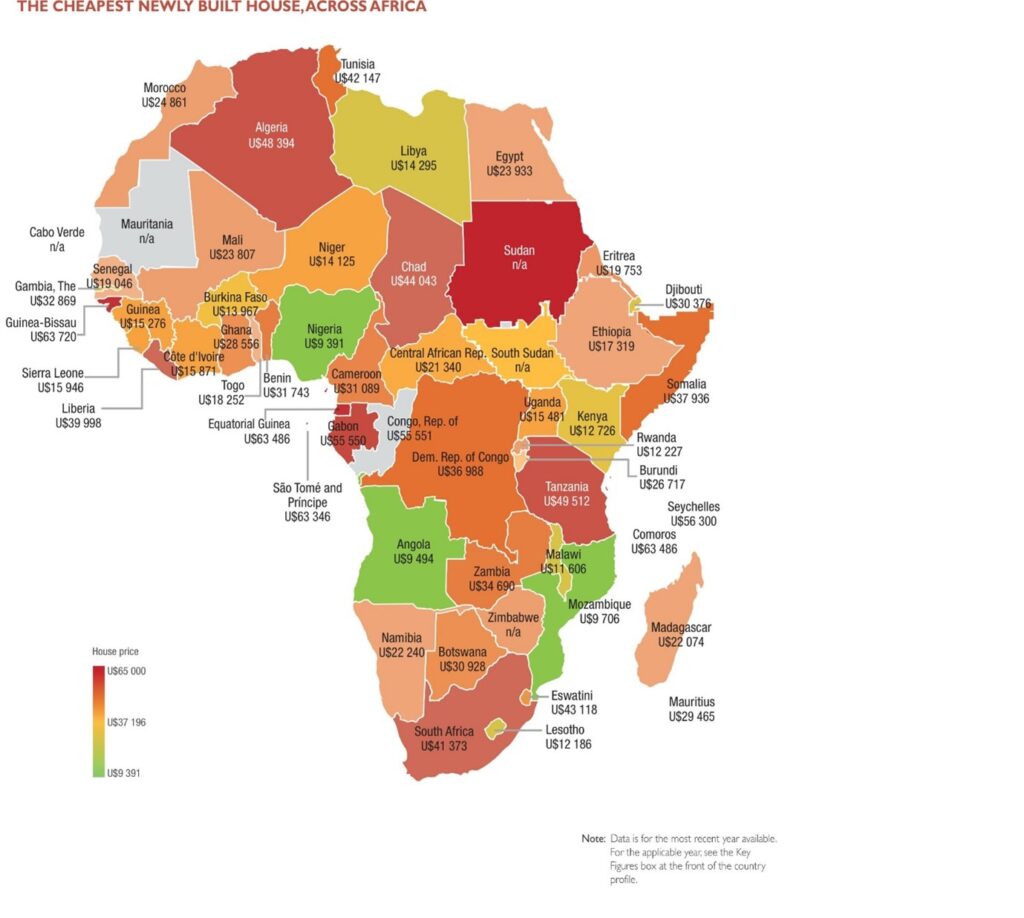
Searching for the cheapest newly built house by a private developer in Africa
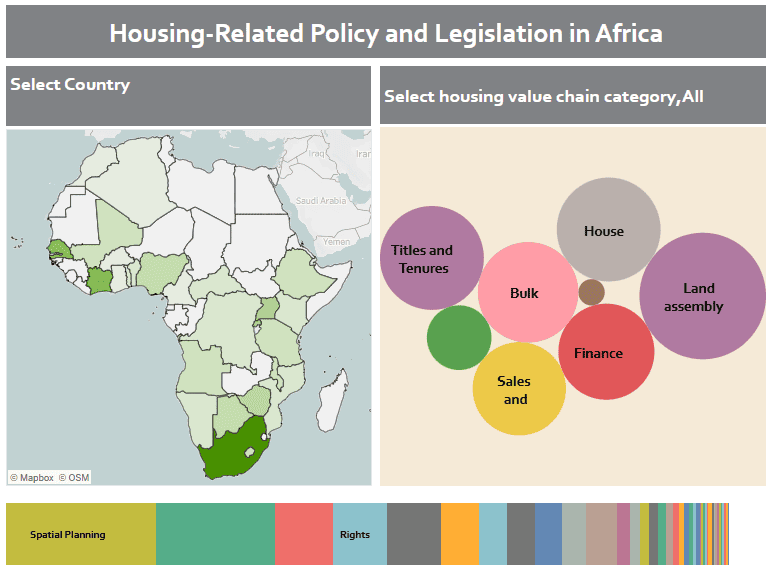
Africa’s newly enacted housing policies and legislation: 2020-2021
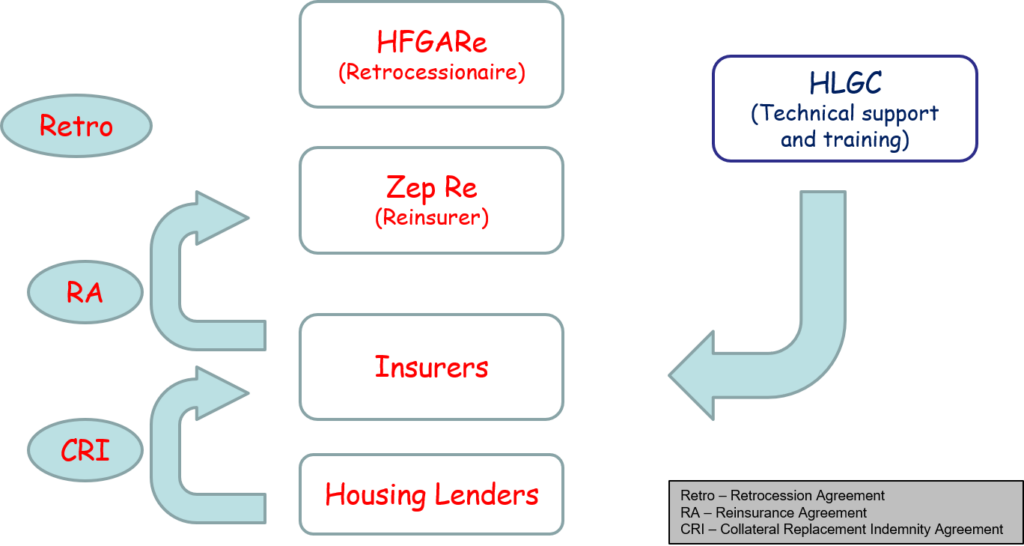
The Role of Mortgage Insurance as a Credit Risk Management Tool
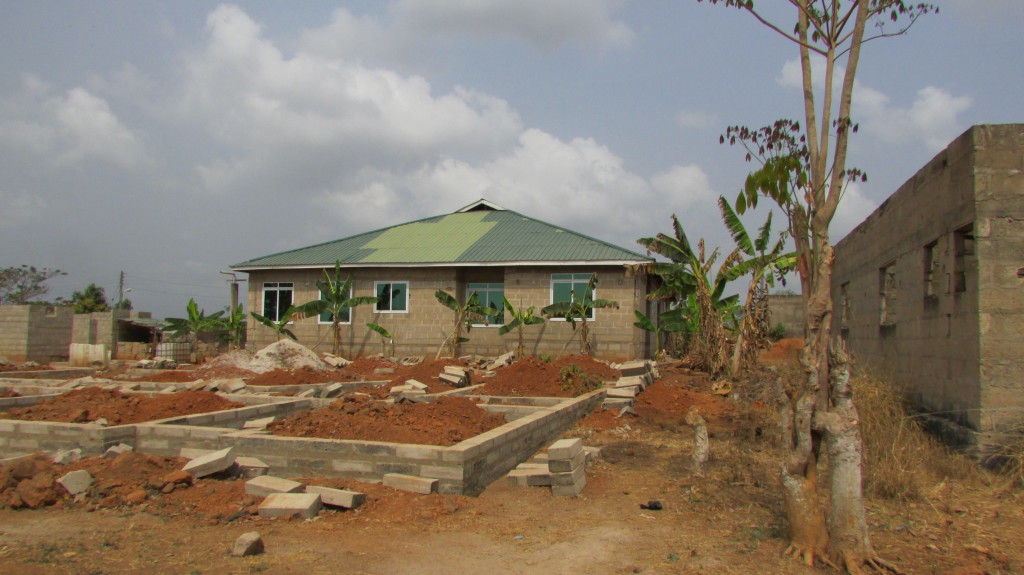
The Residential Investment Opportunity in Driving Economic Growth
